
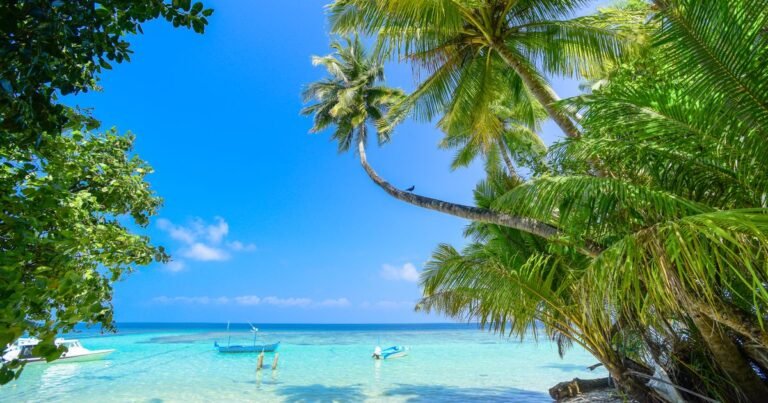
A beach day is one of the simplest joys of raising keiki on Oahu, but not every shoreline is built for little legs and short attention spans. The good news is that our island has plenty of gentle, protected spots where toddlers can splash, dig, and nap under a tree. The trick is knowing what to look for before you load up the car. Here’s a practical, evergreen guide to finding the right beach for your ohana.
What Makes a Beach Great for Keiki
When you’re scouting a spot for young children, a few features matter far more than how pretty the water looks in photos. Keep this short checklist in mind:
- Calm, protected water. Look for coves, bays, or areas shielded by an offshore reef. Water that stays flat and shallow well past where your keiki can stand is the gold standard.
- A gentle, sandy entry. A slow, sandy slope into the water is much friendlier than a sudden drop-off or a rocky, slippery bottom.
- Restrooms and showers. Sandy toddlers and long drives home go better when there’s a place to rinse off and change.
- Shade. Natural tree cover or a spot with room for your own umbrella or tent helps keiki (and parents) last longer.
- Lifeguards. A guarded beach adds a real layer of safety, and lifeguards can tell you about the day’s conditions.
Reading the Different Sides of the Island
Oahu’s shoreline behaves differently depending on which direction you’re facing and what time of year it is. A quick mental map helps you choose well:
- South shore. The stretch near town tends to be convenient and family-friendly, with several protected, shallow areas and good facilities. It’s often a reliable choice when you want easy access and calmer water.
- Windward (east) side. This coast is known for offshore reefs that create calm, lagoon-like pockets in places, along with soft sand. Trade winds can pick up here in the afternoon, so mornings are often more pleasant.
- Leeward (west) side. The drier, sunnier coast can offer beautiful, calm water, especially in the warmer months. It’s a longer drive for many families, so plan around nap and traffic windows.
- North Shore. Famous for powerful winter surf, this side is best treated with caution in the colder months. In summer the water frequently lays down and becomes far gentler, but always check conditions first.
Across every side, conditions change with the season, the swell, and the time of day. What was glassy last weekend can be choppy today, so treat each visit as its own decision.
Tide-Pooling: Nature’s Little Aquarium
If your keiki aren’t quite ready for deeper water, tide-pooling is a wonderful alternative. At low tide, rocky and reef-edged areas can reveal shallow pools full of tiny fish, hermit crabs, and other small sea life. It’s hands-on, low-key, and endlessly fascinating for curious kids. A few gentle rules: wear water shoes to protect little feet and the reef, look with eyes more than hands, and never turn your back on the ocean. For more ways to get your keiki outside and exploring, you can browse outdoor activities across Oahu →.
Beach Safety Basics Every Parent Should Know
No beach is completely without risk, so a little preparation goes a long way. Keep these fundamentals close:
- Choose a lifeguarded beach when you can, and check the posted warning flags and signs before you get in.
- Never turn your back on the ocean. Waves and currents can surprise even in calm-looking water.
- Stay within arm’s reach of young keiki in the water. Drowning is quiet and fast; active supervision beats any flotation device.
- Learn to spot a rip current. If you’re ever caught in one, stay calm, don’t fight it, and signal for help.
- Sun and hydration matter. Reef-friendly sunscreen, hats, rash guards, shade, and plenty of water keep the day fun.
- Respect the ocean and its creatures. Give honu and other wildlife space, and follow all posted local guidance.
Once your keiki grow more confident in the water, formal lessons are a great next step. You can find keiki swimming options near you → when they’re ready to build real skills.
Pack Smart, Stay Flexible
A good beach trip with little ones is equal parts planning and going with the flow. Aim for morning arrivals when water and parking are calmest, bring more snacks and water than you think you’ll need, and be ready to pack up the moment the mood turns. Some of the best beach days are the short, sweet ones.
Finding keiki-friendly beaches near you on Oahu
Calm water and shade look different depending on where you live, so it helps to start close to home. In Town, families in Honolulu and Hawaii Kai have gentle, protected spots within easy reach, while Waikiki’s shallow, roped-off areas suit the smallest keiki. Windward parents in Kailua, Kaneohe, and Waimanalo enjoy some of the softest sand and clearest shallows on Oahu, with Laie a favorite for weekend trips. Over on the Leeward and West side, Kapolei, Ewa Beach, and Nanakuli offer wide, sunny stretches, though Waianae water can pick up in winter. Central-Oahu families in Mililani, Wahiawa, and Aiea sit a short drive from either coast. Up on the North Shore, Haleiwa and Waialua turn calm and swimmable in the summer months. Browse by neighborhood to plan your next outing — explore outdoor & ocean activities for keiki near you →
Frequently Asked Questions
What age can keiki start going to the beach on Oahu?
There is no set age — many families bring babies to shaded, calm shorelines within the first few months, keeping them out of direct sun and only briefly at the water’s edge. Toddlers and older keiki can wade and play in protected, shallow spots with close adult supervision. Choose gentle, roped-off or reef-protected areas over open surf until your child is a confident swimmer.
How much does a beach day with keiki cost on Oahu?
Oahu’s public beaches are free to enter, so a beach day can cost almost nothing. Your main expenses are usually parking (some lots charge a small fee, while street and lot parking is often free), plus sunscreen, water, snacks, and any gear like rash guards, floaties, or a shade tent. Renting equipment or joining a guided ocean activity will add to the cost.
How do I find keiki-friendly beaches near me on Oahu?
Start with your own region — Town, Windward, Leeward, Central, or North Shore — and look for beaches known for calm, shallow water and lifeguards. Windward towns like Kailua and Waimanalo and protected Town spots are popular with young families, while North Shore beaches are calmest in summer. Browsing our outdoor and ocean activities by neighborhood makes it easy to see what is close to home.
Which Oahu beaches have the calmest water for young keiki?
Reef-protected and roped-off swimming areas generally have the gentlest water, and the Windward and South shores tend to stay calmer than exposed North Shore or West-side breaks. Conditions change with the seasons — the North Shore is usually flat in summer but can have large surf in winter. Always check the daily surf report and posted lifeguard warnings before letting keiki in the water.
What should I bring for a beach day with keiki on Oahu?
Pack reef-safe sunscreen, plenty of water, snacks, and sun protection like hats, rash guards, and a shade tent or umbrella. Water shoes help on rocky or reef-covered entries, and floaties or life vests add a layer of safety for new swimmers. Bring a small first-aid kit and plan around the midday sun by arriving early or later in the afternoon.
Ready to plan more adventures? HawaiiParents.com lists 500+ keiki programs across Oahu, searchable by activity and area, so you can find the perfect fit for your ohana in just a few taps.
Share this with a parent who’s still hunting for the perfect calm-water spot for their little one.
A quick note: programs, schedules, and prices change often. Please confirm details directly with each provider before enrolling.

Author: Hawaii Parents
Never miss an Oahu keiki activity
Join our ohana list for weekly activity ideas and free reminders before every Hawaii school break — so you can grab camps and classes early.
Leave a Reply