
Few things fit island life quite like music. From backyard kanikapila to school hoike, a keiki who can pick out a tune or strum a few chords carries a gift that lasts a lifetime. If your ohana is thinking about lessons but you are not sure where to begin, this guide walks you through the popular first instruments, the right age to start, and how to find a teacher who is a good match.
Why music is good for growing minds
Learning an instrument does far more than fill an afternoon. Studies have long linked music practice to stronger memory, focus, and language skills, and the habit of showing up to practice teaches patience and follow-through. Just as valuable are the quieter benefits: confidence from performing, a healthy way to work through big feelings, and a creative outlet that does not involve a screen. For many keiki, music also becomes a bridge to culture and community here at home.
Popular first instruments
Most families start with one of four instruments, and each has its own strengths:
- Ukulele — The classic island starter. It is small, affordable, gentle on little fingers, and woven into local culture. Keiki can learn a few chords and play a real song surprisingly fast, which keeps early motivation high.
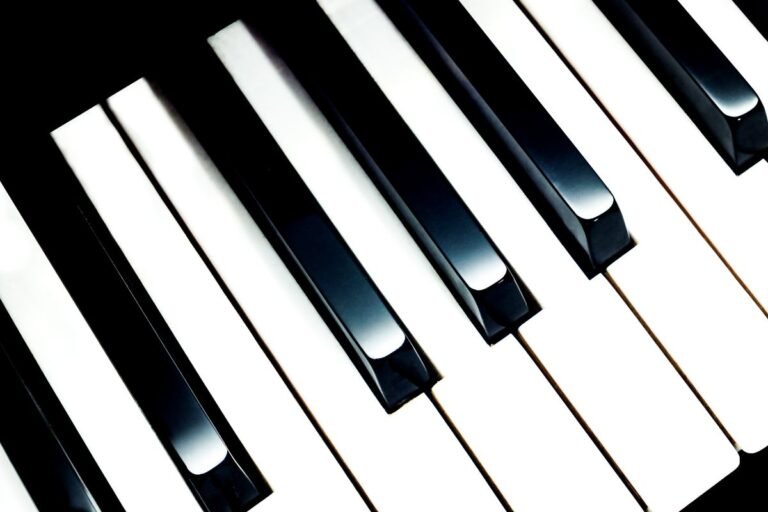
- Piano — A wonderful foundation for reading music and understanding how melody and harmony fit together. Skills built at the keyboard transfer easily to almost any other instrument later on.
- Guitar — A natural next step or first choice for slightly older keiki. It shares a lot with the ukulele but offers more range as they grow.
- Voice — The one instrument every keiki already owns. Singing builds pitch and rhythm, pairs beautifully with ukulele or piano, and shines in choirs and hula.
What age should keiki start?
There is no single right answer, but a few general guideposts help. Around ages 3 to 5, group music-and-movement classes build rhythm and listening in a playful way. Ages 5 to 7 are a sweet spot to begin ukulele, piano, or voice, once a keiki can sit and focus for short stretches. Guitar and other larger instruments often go more smoothly around ages 7 to 9, when hands are a little bigger and stronger. The best signal is not the birthday on the calendar but genuine interest, so watch for the keiki who taps along to every song and gravitates toward instruments.
Private lessons vs group classes
Both formats work well, and the right pick depends on your keiki and your goals. Private lessons offer one-on-one attention, a pace tailored to your child, and faster progress, which suits focused or shy learners. Group classes tend to be more social and playful, often cost less, and let keiki learn alongside friends, which many young beginners love. Some families start with a group class to test interest, then move to private lessons as commitment grows. There is no wrong door here.
How to find a good teacher or studio
A strong teacher matters more than any single method or brand of instrument. As you look around, keep a few things in mind:
- Ask about experience specifically with young keiki, not just advanced students.
- Look for patience, warmth, and lessons that stay fun, especially in the early months.
- Consider location and timing that fit your week, whether that means a studio near home, school, or work.
- Ask whether a trial lesson is available so your keiki can meet the teacher before you commit.
- Check how the teacher keeps parents in the loop on progress and practice goals.
When you are ready to compare options across the island, you can browse music lessons and studios on Oahu → and search by area to find something close to home.
Supporting practice at home
Progress happens between lessons, and your encouragement is the secret ingredient. Keep practice short and consistent, since ten focused minutes most days beats a single long weekend session. Set up a comfortable, low-distraction spot where the instrument lives out in the open, ready to grab. Celebrate small wins, let your keiki play for the ohana now and then, and try not to turn practice into a battle. On the tough days, remember that curiosity and joy are the real goals; the skills follow.
Finding ukulele, piano, guitar, and voice lessons near you on Oahu
Music teachers and studios are spread across every corner of Oahu, so the easiest place to begin is your own neighborhood. In town, families in Honolulu, Kaimuki, Manoa, and Hawaii Kai will find piano and voice instructors within a short drive, while Kakaako and Waikiki studios often add ukulele and guitar. Windward keiki in Kailua, Kaneohe, and Laie have their own community teachers, while parents on the Leeward and West side can search Kapolei, Ewa Beach, Waipahu, and out toward Waianae. Central families in Mililani, Pearl City, Aiea, and Wahiawa sit close to several schools of music, and up on the North Shore, Haleiwa and Waialua round out the island. Because a weekly lesson sticks best when the commute is short, it pays to browse by town. Explore music lessons for keiki across Oahu →
Frequently Asked Questions
What age can keiki start music lessons on Oahu?
Many teachers welcome keiki as young as 4 or 5 for instruments like ukulele and piano, once they can sit and focus for a short lesson. Voice and guitar often suit slightly older children, around 7 and up, as hands and vocal cords develop. The best starting age really depends on your child’s interest and attention span, so a trial lesson is a great way to gauge readiness.
How much do keiki music lessons cost on Oahu, and what should we expect?
Private lessons are usually billed weekly or monthly and priced per half-hour or hour, with rates varying by the teacher’s experience and the studio. Expect a regular weekly session, some practice at home between lessons, and occasional recitals or performances. Group classes and community programs tend to cost less than one-on-one instruction, so it is worth asking about both.
How do I find music lessons near me by town or area?
Start with your own region — Town, Windward, Leeward, Central, or the North Shore — and search nearby towns like Kailua, Kapolei, Mililani, or Honolulu. Keeping the drive short makes it much easier to stay consistent week after week. Browsing our music category lets you filter by neighborhood so you can find a teacher close to home.
Do keiki need their own instrument to start lessons?
For piano, many families begin with a keyboard at home and upgrade later, while ukulele and guitar are affordable and easy to buy in a keiki-friendly size. Some studios keep instruments on hand for the lesson itself, but daily practice at home really speeds up progress. Ask the teacher what size or model they recommend before you buy.
Is ukulele a good first instrument for keiki on Oahu?
Ukulele is one of the most popular starting instruments here — it is small, affordable, and deeply rooted in Hawaiian music, so keiki tend to connect with it quickly. Its soft nylon strings are gentle on little fingers, and children can strum simple songs within the first few lessons. Many keiki later branch out to guitar, piano, or voice once they build confidence.
Ready to help your keiki make music? HawaiiParents.com lists 500+ keiki programs across Oahu, searchable by activity and area, so you can find music lessons and other enriching activities that fit your ohana.
Share this with a parent who has a little one always humming, tapping, or begging for an ukulele.
A quick note: programs, schedules, and prices change often. Please confirm details directly with each provider before enrolling.

Author: Hawaii Parents
Never miss an Oahu keiki activity
Join our ohana list for weekly activity ideas and free reminders before every Hawaii school break — so you can grab camps and classes early.
Leave a Reply