
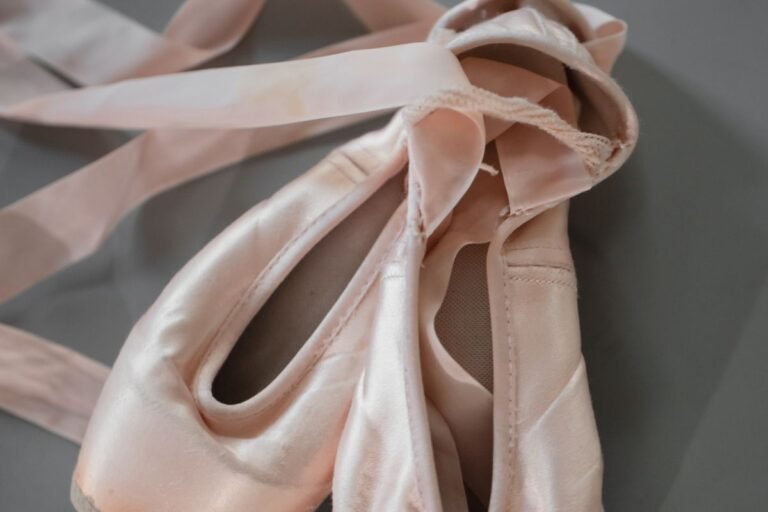
There’s a special kind of joy in watching your keiki find their rhythm — a first wobbly plié, a hip-hop routine rehearsed a hundred times in the living room, or the gentle sway of hula. Dance is one of the most rewarding activities you can offer a child, and Oahu is a wonderful place to explore it. From ballet studios to traditional halau, our island offers something for nearly every age, interest, and ohana budget.
Why dance is so good for keiki
Beyond being fun, dance quietly builds skills that follow keiki long after class ends. A few of the biggest benefits:
- Coordination and strength. Balance, posture, and body awareness develop naturally through movement.
- Discipline and focus. Learning steps and repeating them teaches patience and follow-through.
- Confidence. Mastering a routine — and performing it — gives keiki a real sense of accomplishment.
- Cultural connection. Hula and Polynesian dance root keiki in the stories, language, and values of these islands.
- Friendship. A class or halau becomes a second ohana where kids grow up together.
The range of styles you’ll find on Oahu
One of the best things about dance here is the variety. Depending on the studio or halau, your keiki might explore:
- Hula — both kahiko (traditional) and auana (modern), often taught in a halau setting.
- Ballet — a classical foundation that strengthens technique for every other style.
- Hip-hop — high-energy and popular with keiki who love current music.
- Jazz, tap, and contemporary — playful, expressive styles often bundled into combo classes for younger dancers.
- Polynesian — Tahitian, Samoan, and Maori dance that celebrates the wider Pacific.
Many studios teach more than one style, so keiki can sample a few before settling on a favorite. Browse dance studios & halau →
A word about hula and halau
A halau is more than a dance class. Led by a kumu hula, it’s a place where keiki learn protocol, chant, olelo Hawaii (the Hawaiian language), and the values behind each dance — including how to malama the aina that the movements often honor. If cultural grounding matters to your ohana, ask a kumu about their teaching philosophy and how they welcome new families. Many greet respectful newcomers warmly, whether or not you have Hawaiian ancestry.
What to look for in a good studio or halau
Every child is different, but a few things signal a healthy learning environment:
- Caring, qualified instructors who clearly enjoy working with children.
- Age-appropriate classes with reasonable group sizes so keiki get attention.
- A safe space — proper flooring, a clean studio, and a warm, encouraging tone.
- Clear communication about expectations, costs, and the year’s schedule.
- A trial class, if offered, so your keiki can feel out the vibe before committing.
Trust your gut, too. The right fit is one where your child leaves smiling and eager to come back.
When can keiki start?
Earlier than many parents expect. Creative-movement and “mommy-and-me” style classes often welcome toddlers around age 2 to 3, focusing on play, rhythm, and following along. More structured classes — formal ballet, hip-hop, or hula — typically begin around age 4 to 6, once keiki can follow directions in a group. There’s no wrong age to start, and plenty of kids fall in love with dance in elementary school or even later.
What recitals and hoike are like
At the end of a session or year, most studios hold a recital, and many halau hold a hoike — a performance that shares what dancers have learned. Expect costumes, proud grandparents with phones held high, a few nervous butterflies, and a whole lot of aloha. For keiki, it’s a chance to shine; for parents, it’s an unforgettable milestone. A few tips: arrive early, pack water and snacks, and remind your child that a missed step is no big deal — the goal is simply to enjoy the moment.
Finding keiki dance and hula near you on Oahu
Whether your child dreams of ballet, hip-hop, or the graceful storytelling of hula, Oahu families have options in nearly every corner of the island. In town, studios and halau cluster around Honolulu, Kaimuki, and Manoa, making a weekday class easy to reach after school. Windward parents in Kailua, Kaneohe, and Laie will find hula halau that keep Hawaiian culture close to home, while the Leeward and West side communities of Kapolei, Ewa Beach, and Waipahu have growing dance programs for younger keiki. Central Oahu towns like Mililani, Pearl City, and Aiea offer convenient studios for busy families, and up on the North Shore, Haleiwa keiki can move to both modern and traditional rhythms. Browsing by neighborhood is the fastest way to match a studio’s schedule to your family’s routine. Explore dance studios and halau across Oahu → to see what’s near you.
Frequently Asked Questions
What age can keiki start dance or hula on Oahu?
Many studios and halau on Oahu welcome keiki as young as two or three for playful movement and creative classes, with more structured ballet, hip-hop, or hula instruction beginning around ages four to six. Hula halau often accept children once they can follow directions and stand comfortably in line. Because every program sets its own minimum age, it’s best to check with the studio directly before enrolling.
How much do keiki dance and hula classes cost on Oahu?
Costs vary widely depending on the studio, the length of each class, and how many sessions your keiki attends per week. Some hula halau are community-based and keep fees modest, while private dance studios may charge monthly tuition plus costume or recital fees. Many programs offer a free or discounted trial class, so ask about first-visit options and sibling discounts before you commit.
How do I find a dance or hula class near me on Oahu?
The easiest way is to browse by your region or town, since studios and halau are spread across the island from Honolulu to the North Shore. Windward families often look in Kailua and Kaneohe, while West side parents search around Kapolei and Ewa Beach. Filtering by neighborhood helps you match a class location to your commute and your keiki’s after-school schedule.
What’s the difference between a dance studio and a hula halau?
A dance studio typically teaches Western styles such as ballet, jazz, tap, and hip-hop, often working toward recitals or competitions. A hula halau focuses on Hawaiian dance, chant, and culture, guided by a kumu hula who passes down tradition and protocol. Many Oahu keiki enjoy both, and some studios offer hula alongside other styles.
What should my keiki wear to their first dance or hula class?
For most dance classes, comfortable clothing your child can move in plus the right footwear — ballet slippers, jazz shoes, or bare feet — is enough to get started. Hula is usually danced barefoot, often with a pau skirt or simple practice wrap that the halau may provide or recommend. When in doubt, arrive in stretchy, breathable clothes and ask the instructor what to bring next time.
Ready to find the right fit for your dancer? HawaiiParents.com lists 500+ keiki programs across Oahu, searchable by activity and area, so you can compare studios and halau near you in minutes.
Share this with a parent whose keiki won’t stop dancing around the living room.
A quick note: programs, schedules, and prices change often. Please confirm details directly with each provider before enrolling.

Author: Hawaii Parents
Never miss an Oahu keiki activity
Join our ohana list for weekly activity ideas and free reminders before every Hawaii school break — so you can grab camps and classes early.
Leave a Reply