
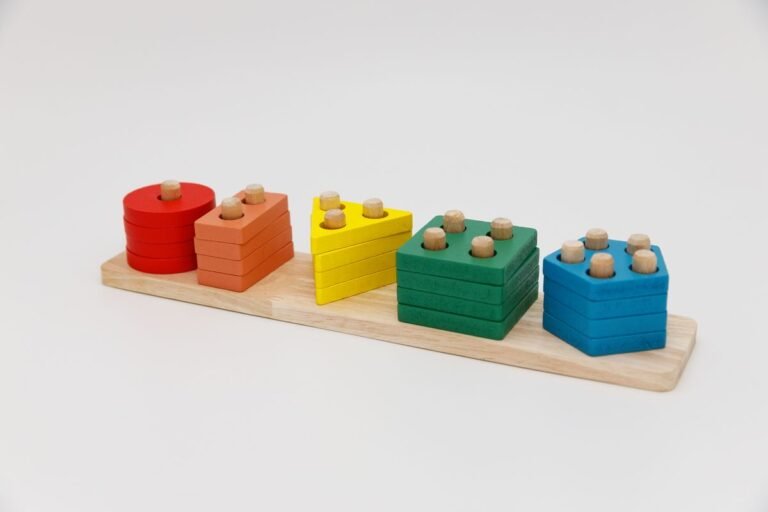
Parent-and-child classes are the easiest on-ramp into organized activities for keiki roughly six months to three years old: you stay in the room (or in the pool) and participate right alongside your child. Here is how these classes typically work on Oahu, what a first session actually looks like, and how to choose one without overcommitting your calendar or your budget.
What counts as a parent-and-child class
The defining feature is simple: this is not drop-off care. A parent, grandparent, or other caregiver is on the mat, in the circle, or in the water for the whole session, and the instructor leads both of you together. On Oahu the format shows up across a surprising range of activities — music and movement circles, toddler tumbling at gymnastics gyms, water-adjustment swim classes, messy-art mornings, story-and-play groups, and keiki yoga. We gather these under parent-and-child classes in the directory so you can see what is actually offered near you.
It helps to be honest about the goal. At this age no class is teaching mastery, and any program promising otherwise is overselling. The real curriculum is routine, social exposure, new language, and learning to follow along with a group — plus a quiet secondary benefit that veteran parents will tell you matters most: you meet other caregivers with same-age kids in your part of the island. Those sideline friendships often outlast the class itself.
What a first class actually looks like
Most classes for this age run 30 to 45 minutes, which is about the honest limit of a toddler’s attention. Expect a predictable arc: a hello song or warm-up, a main activity, some free exploration, and a goodbye ritual. The repetition is deliberate. Toddlers warm up over weeks, not minutes, and the familiar structure is what eventually gets a hesitant kid participating.
Set your expectations accordingly for week one. Your child may cling to you the entire time, wander off to inspect the air conditioner, or melt down at the transition between activities. All of this is normal, the instructor has seen it hundreds of times, and nobody is judging you. A few practical notes for the diaper bag:
- Water and a snack for immediately afterward — classes reliably end in hunger.
- A full change of clothes (two, for water or messy-art classes).
- Clothes you can sit on the floor in, because you will be on the floor.
- Arrive ten minutes early so the room is not brand new at the moment class starts.
Give any class three or four sessions before you decide whether it is working. The kid who cried through week one is often the one leading the goodbye song by week four.
How to pick one (and pay less)
The best class is the one at the right time of day. Nap schedule beats curriculum, philosophy, and reputation every time — a wonderful class at a terrible hour is just a paid meltdown. After that, weigh location honestly: with Oahu traffic, a decent class ten minutes away that you actually attend beats a perfect one across the island that you skip.
Before you register, it is worth asking a few questions:
- Is there a trial class or drop-in option before committing to a full session?
- What is the make-up policy for sick days? (Toddlers are sick constantly. This matters more than you think.)
- Who counts as the caregiver — can grandma, auntie, or a nanny bring them some weeks?
- How is pricing structured: per class, per session, and what happens if you need to withdraw?
- How wide is the age band? A class mixing 6-month-olds with almost-3s serves neither well.
On cost: many programs across the island offer kamaaina or resident rates, sibling discounts, or first-class-free promotions, and we keep a running list on our kamaaina deals page. If cost is the thing standing between your keiki and a class, start with our financial aid resources — there is more help available than most families realize.
Water classes, and what comes next
Parent-and-child swim deserves its own note, because it is often the very first class families try. These classes are about water comfort — songs, supported kicking, gentle splashing — not independent swimming, which most kids are not developmentally ready for until closer to age three or four. The most affordable programs on the island tend to open registration in seasonal windows and fill remarkably fast, so it pays to know the calendar before you need it. Our swim lessons guide breaks down the enrollment models across Oahu, including which programs offer parent-and-child levels.
Somewhere around age three, most keiki are ready to try a short drop-off class, and kids who have done caregiver classes usually make that jump more smoothly — the room, the teacher, and the goodbye routine are already familiar. Many gyms and studios that run parent-and-child classes also run the next age band up, so ask about the progression when you enroll. You are not just picking a class; you are picking a place your family might grow into.
Where to Find Toddler and Parent-and-Child Classes on Oahu
Like most keiki activities on Oahu, toddler classes cluster in town. Urban Honolulu — from Kakaako and Ala Moana out through Kaimuki — offers the widest mix of music, movement, and play-based programs, and it is the one part of the island where you can usually pick between several class times in a single week. Families elsewhere typically balance a shorter local list against the drive into town.
On the Windward side, Kailua and Kaneohe support a steady core of classes and playgroups, and the Pali or Likelike makes a town class feasible when the schedule lines up. Leeward and West Oahu families in Ewa, Kapolei, and Waianae see fewer commercial studios but solid community-based options like library storytimes and playgroups; many West side parents plan paid classes around an existing town commute rather than a separate trip. Central Oahu — Pearl City, Aiea, Mililani, Wahiawa — sits in a practical middle, with a growing set of programs and a manageable drive in either direction. The North Shore has the thinnest formal offerings, so Haleiwa-area families often lean on storytimes and playgroups or budget a longer drive toward Central Oahu or town.
Browse every option in our parent-and-child classes directory, or explore all keiki programs by area on the activities page.
Frequently asked questions
What age can my child start a parent-and-child class?
Many programs welcome babies and toddlers well before age two, and some music and play classes start in infancy. Every provider sets its own age ranges, so check whether a class uses narrow age bands or mixed ages before you sign up.
Do parents stay with their child during toddler classes?
In a true parent-and-child or caregiver-and-me class, yes, an adult participates alongside the child for the whole session. Some programs for older toddlers transition to a drop-off format, so confirm the expectation with the provider before the first class.
What kinds of toddler classes are available on Oahu?
Common options include music and movement, tumbling and gymnastics-style play, parent-and-child swim classes, art and sensory play, and storytime-based playgroups. Availability varies a lot by region, with the widest selection concentrated in urban Honolulu.
Are there free or low-cost toddler classes on Oahu?
Yes. Public libraries run free storytimes, and community organizations and some parks programs offer free or low-cost playgroups. These options matter most outside town, where paid studio classes are thinner on the ground.
How do I choose a toddler class for my child?
Start with logistics, because a class you can reach without a stressful drive at nap time is one you will actually attend. Then look for a format that fits your child's temperament, and ask whether you can try a single class before committing to a full session.
Ready to look? Browse over 500 Oahu keiki activities at our full directory and filter down to what fits your neighborhood and your nap schedule. And if you want new classes, registration windows, and deals delivered to your inbox, join the HawaiiParents newsletter — it is free, and written by parents who have sat through the hello song too.

Author: Hawaii Parents
Never miss an Oahu keiki activity
Join our ohana list for weekly activity ideas and free reminders before every Hawaii school break — so you can grab camps and classes early.
Leave a Reply