
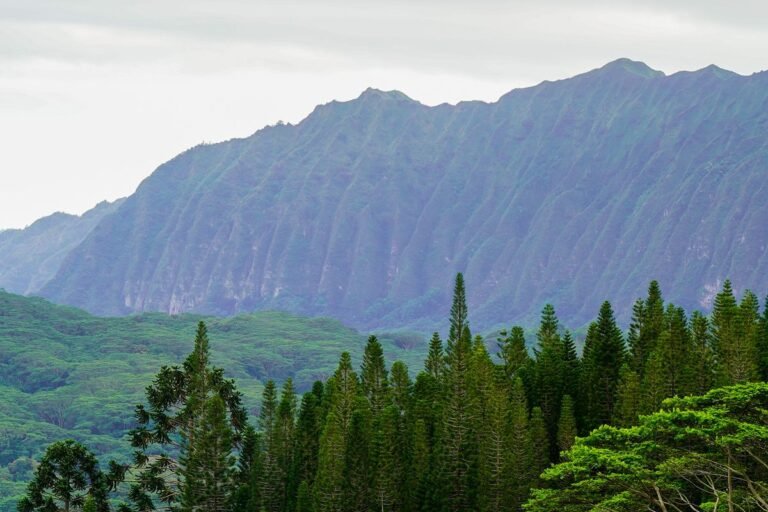
Volunteer slots on Oahu fill up fast in November — food drives, shoreline cleanups, and holiday service projects often ask families to register weeks ahead, so this is the week to claim your spot. It is also a naturally meaningful time to serve: the rising of Makalii (the Pleiades) in the night sky traditionally marked the start of Makahiki, the Hawaiian season of harvest, gratitude, and rest.
A Season Built for Gratitude
Makahiki was a time when heavy work paused, communities gathered to share the harvest, and hookupu — offerings — were given in thanks. You do not need to be an expert in Hawaiian culture to borrow that rhythm at home. November already slows down for most families: school breaks cluster around Thanksgiving (our school calendar shows exactly when your keiki are off), and those free weekdays are prime time for volunteer shifts that are impossible to make during a normal school week. Talking about Makahiki while you serve also gives kids a local frame for gratitude that goes a lot deeper than a paper turkey.
Malama Aina: Serving the Land and Ocean
For many families, the easiest entry point is a workday outdoors. Across the island you will find regular community workdays at loi kalo (taro patches), native plant nurseries, and fishpond restoration sites, where keiki can pull weeds, haul mulch, and hear the moolelo — the stories — of the place while they work. Most sites welcome children with a supervising adult, and many workdays wrap up by lunchtime, which is exactly the right length for young attention spans.
Shoreline cleanups are even simpler to join: volunteer groups run recurring beach cleanups all around Oahu, and you typically need only closed-toe shoes, water, and reef-safe sunscreen — buckets and grabbers are usually provided. Treat any cleanup like a beach day from a safety standpoint: check surf and weather conditions before you go, keep small keiki back from the waterline, and follow the organizer’s safety briefing. Our keiki beaches guide covers what to pack for shoreline days with little ones. And if a workday sparks something, outdoor programs across the island can keep your kids connected to the aina year-round.
Kokua for People: Food, Kupuna, and Fellow Keiki
Food security work ramps up island-wide this month. The Hawaii Foodbank and neighborhood food drives are the classic November option — check age minimums before signing up for warehouse or sorting shifts, since many have them, while collecting canned goods through your school or street welcomes every age. Even a preschooler can carry a can to a collection box and feel the weight of helping.
Kupuna outreach is another kid-friendly avenue. Care homes and senior centers often welcome handmade cards, keiki music, and simple visits heading into the holidays — call ahead and ask what they actually need before you show up with forty glitter-covered cards.
Closer to home, November is the natural moment to clear outgrown gear. Gently used cleats, gi, dance shoes, instruments, and books can go straight to a family who needs them — ask coaches, studios, and school offices who is collecting. Cost is a real barrier to keiki activities on Oahu; our financial aid page rounds up ways families can get help paying for programs, and passing gear forward is the grassroots version of the same idea.
Match the Service to the Age
Toddlers and preschoolers do best with short, tangible tasks: placing cans in a bin, watering seedlings, decorating cards. If your little one loves working alongside you, parent and child classes build that same side-by-side habit the rest of the year.
Elementary kids can handle real jobs — sorting donations, weeding a row, tallying the food drive total. Give them a role with a visible result and let them own it start to finish.
Tweens and teens can take the lead: planning a gear drive, logging service hours for school, or joining clubs and troops that build service into the whole year rather than one November weekend. Whatever the age, the thing that makes it stick is the debrief. On the drive home, ask what they noticed and who they helped. Gratitude grows in the retelling.
Keep the Habit Going
Where to Find Family Volunteer Opportunities on Oahu
Volunteer opportunities are not spread evenly across the island, so it helps to know what each region tends to offer before you commit to a drive. Honolulu and the urban core have the densest concentration of organized programs: food banks, museums, and nonprofit offices cluster in town, and structured, scheduled shifts are easiest to find here. If you want a recurring indoor commitment, town is usually where it lives.
The Windward side leans outdoors. Fishpond, wetland, and taro patch restoration workdays around the Kaneohe and Kailua area are a hands-on way for keiki to connect service with Hawaiian land stewardship, though most run on specific weekend dates, so plan ahead. Central Oahu families in Mililani, Pearl City, and Aiea often find school- and church-based service projects closest to home, with town’s bigger organizations a manageable drive away.
Leeward and West Oahu have fewer formal programs, so families in Ewa Beach, Kapolei, and Waianae should expect community-organized beach and park cleanups close by, or a drive into town for structured shifts. The North Shore scene centers on coastal cleanups and occasional community workdays rather than weekly programs. To build the same service-minded habits year-round, browse outdoor activities or the full kids activities directory to find programs near you.
Frequently asked questions
What age can kids start volunteering on Oahu?
There is no single minimum age — it depends entirely on the organization. Outdoor events like beach and park cleanups often welcome all ages with a parent, while food banks, animal shelters, and hospitals typically set minimum ages and may require an adult to accompany minors. Always check the organization's rules before you sign up.
What volunteer activities can families with young children actually do together?
Beach and park cleanups, sorting donations for food and clothing drives, making cards for seniors or hospitalized kids, and lighter tasks at fishpond or taro patch restoration workdays are all realistic with young children. Keep first outings short and low-pressure so the experience stays positive. As kids get older, they can graduate into longer shifts and more responsibility.
Do we need to register or sign a waiver before volunteering as a family?
Most organized opportunities require advance registration, and a liability waiver signed by a parent or guardian is standard for anyone under 18. Group workdays often cap attendance, so popular family-friendly dates can fill up. Register ahead of time rather than showing up unannounced.
Are there more family volunteer opportunities around the holidays?
Yes — food drives, meal service, and toy collection efforts ramp up in November and December, and family-friendly slots tend to fill fastest then. Many organizations also emphasize that the need is year-round, so a commitment in January or over the summer can be even more valuable. If holiday slots are full, ask about the off-season.
How do I find beach cleanups happening near us?
Community groups and nonprofits organize cleanups around the island on a recurring basis, usually announced on their websites and social media, so search for groups active in your area. You can also do an informal family cleanup at your own beach park — bring gloves and a bag, and teach kids to alert an adult instead of picking up anything sharp or hazardous. Follow any posted park rules and dispose of what you collect properly.
Service pairs beautifully with play — a workday in the morning, practice in the afternoon. Browse hundreds of keiki programs in our full Oahu activities directory to fill the rest of the week, and join our newsletter for seasonal reminders like this one — signups, school breaks, and service season — delivered before the slots fill up.

Author: Hawaii Parents
Never miss an Oahu keiki activity
Join our ohana list for weekly activity ideas and free reminders before every Hawaii school break — so you can grab camps and classes early.
Leave a Reply