
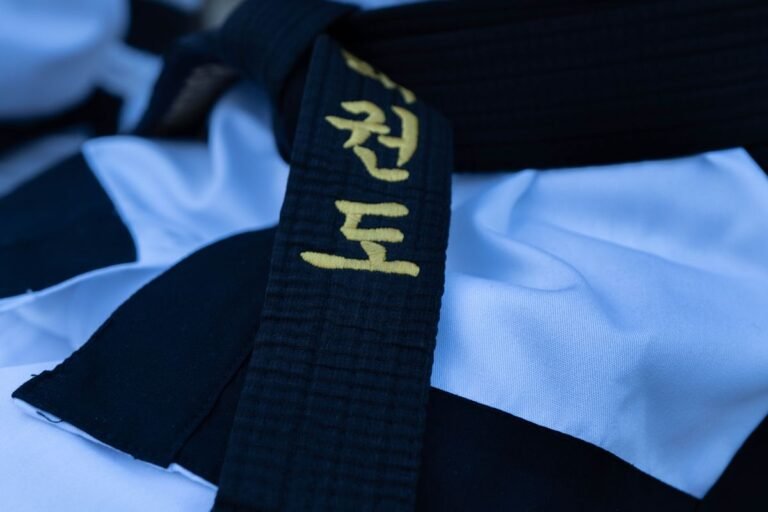
If your keiki has energy to spare and you’re hunting for an activity that builds character along with muscle, martial arts may be exactly what your ohana is looking for. Across Oahu, dojos welcome children of nearly every age and temperament, and the islands have especially deep roots in disciplines like judo and kendo. Here’s a warm, practical guide to help you choose a style, find a good dojo, and get your keiki started with confidence.
Why Martial Arts Is Great for Keiki
The kicks and throws get the attention, but the real value shows up off the mat. A good program helps your child build:
- Confidence. Earning belts and mastering new moves gives keiki proof that effort pays off.
- Discipline. Bowing in, following routines, and practicing patiently teach self-control that carries into school and home.
- Focus. Remembering forms and reacting to a partner trains attention in a way screens never will.
- Fitness. Strength, balance, coordination, and flexibility all improve, often without kids realizing they’re exercising.
Just as valuable are the quieter lessons: respect for instructors and training partners, resilience after a hard day, and the calm that comes from knowing how to handle yourself.
The Main Styles You’ll Find on Oahu
Each art has its own personality, and there’s no single “best” one — the right fit depends on your keiki.
- Judo. A Japanese grappling art built on throws and pins, with especially deep roots here in Hawaii. Great for kids who love to wrestle and roll.
- Karate. Widely available and beginner-friendly, karate blends strikes, blocks, and choreographed forms called kata, with a strong emphasis on discipline.
- Brazilian jiu-jitsu (BJJ). A ground-based grappling art that rewards leverage and problem-solving over size — popular across the island and gentle on smaller keiki.
- Taekwondo. A Korean style known for dynamic kicks and a clear belt-progression system, a favorite for energetic children who like visible milestones.
- Kendo. The Japanese art of the sword, practiced with a bamboo shinai and protective armor. It leans heavily on etiquette, posture, and focus.
You can browse martial arts programs across Oahu → to see which styles are offered near your neighborhood.
Typical Starting Ages
Many dojos offer “little” or keiki classes for ages 3 to 5, focused on listening, taking turns, and basic movement more than technique. Around ages 6 to 8, most children are ready for a structured beginner class in almost any style. Grappling arts like judo and BJJ tend to welcome younger keiki easily, while weapon-based arts such as kendo sometimes ask that children be a little older and able to follow detailed instructions. If you’re unsure, ask the instructor — most are happy to recommend the right class for your child’s age and maturity.
What to Look for in a Good Dojo
A welcoming environment matters far more than the trophies on the wall. As you visit, keep an eye out for:
- Qualified, patient instructors who clearly enjoy teaching children and explain things at a keiki’s level.
- Safety first, with proper mats, sensible class sizes, and age-appropriate contact.
- A positive culture, where students encourage one another and mistakes are treated as part of learning.
- Reasonable ratios, so your child gets real attention instead of waiting in a long line for a turn.
- Clear communication about schedules, gear, belt testing, and costs.
- A free trial class, which nearly every good dojo offers so you can watch before you commit.
Trust your gut, too. Watch how your keiki responds — a place that leaves them excited to come back is usually the right one.
How to Get Started
Getting started is simpler than it looks:
- Watch or try a class. Sit in on a session or two and see how your child reacts to the style and the instructor.
- Ask the practical questions. What gear is needed to begin? How does belt testing work? What does a typical week look like?
- Start close to home. A dojo near your house or school makes it much easier to stay consistent — and consistency is what turns a hobby into a habit.
Don’t feel pressured to buy a full uniform or sign a long contract on day one. Most keiki can start in comfortable athletic clothes while they figure out whether a style clicks.
Finding a kids’ martial arts dojo near you on Oahu
Martial arts run deep in Oahu’s culture, and dojos are scattered across every part of the island, so it helps to start your search close to home. In town, families in Honolulu, Kaimuki, Manoa, and Kakaako will find everything from judo clubs to Brazilian jiu-jitsu academies within a short drive. Windward parents in Kailua, Kaneohe, and Waimanalo often turn to community karate and taekwondo programs, while Leeward and West side keiki in Kapolei, Ewa Beach, Waipahu, and Waianae have a growing number of gyms to choose from. Central Oahu covers Mililani, Wahiawa, Pearl City, and Aiea, and up on the North Shore you’ll find smaller, tight-knit classes around Haleiwa. Some traditions, like kendo, cluster around specific dojos, so it pays to look a little wider. Browse martial arts programs by neighborhood on Oahu →
Frequently Asked Questions
What age can my keiki start martial arts on Oahu?
Many Oahu dojos welcome keiki as young as 3 or 4 into “little dragons” or beginner classes that focus on coordination, listening, and fun. More structured training in judo, karate, or taekwondo usually starts around age 5 or 6. There is no upper limit, so older kids and teens can begin at any time.
How much do kids’ martial arts classes cost on Oahu?
Costs vary by discipline and studio, but most families budget a monthly tuition plus a one-time fee for a uniform (gi or dobok) and belt testing. Some community centers and nonprofit clubs offer lower-cost or donation-based programs, while private academies tend to charge more. Ask about trial classes, sibling discounts, and whether gear is included before you commit.
How do I find a martial arts class near me on Oahu?
The easiest way is to search by your town or region: Honolulu and Kaimuki in town, Kailua and Kaneohe on the Windward side, Kapolei and Ewa Beach out west, or Mililani and Pearl City in Central Oahu. Browsing by neighborhood helps you find a dojo with a manageable commute, which matters for weeknight classes. Filter the local martial arts listings by area to compare what is nearby.
Which martial art is best for my child: judo, karate, jiu-jitsu, taekwondo, or kendo?
It depends on your keiki’s personality and goals. Judo and Brazilian jiu-jitsu emphasize grappling and throws, karate and taekwondo focus on striking, stances, and forms, and kendo is a disciplined sword art rooted in Japanese tradition. Many Oahu studios offer a free intro class, so let your child try a couple of styles before deciding.
What should my keiki wear or bring to their first class?
For a first or trial class, comfortable athletic clothes and bare feet are usually fine, and most dojos will let you borrow or buy the proper uniform once your child commits. Bring a water bottle and arrive a few minutes early to meet the sensei or instructor. Ask ahead about whether the class is barefoot and whether gear like a mouthguard is needed.
Ready to find the right mat for your keiki? HawaiiParents.com lists 500+ keiki programs across Oahu, searchable by activity and area, so you can compare martial arts options close to home in just a few clicks.
Share this with a parent whose keiki has energy to burn and could use a confidence boost.
A quick note: programs, schedules, and prices change often. Please confirm details directly with each provider before enrolling.

Author: Hawaii Parents
Never miss an Oahu keiki activity
Join our ohana list for weekly activity ideas and free reminders before every Hawaii school break — so you can grab camps and classes early.
Leave a Reply